AI Will Only Fuel Growth at the Speed of Your Slowest Function
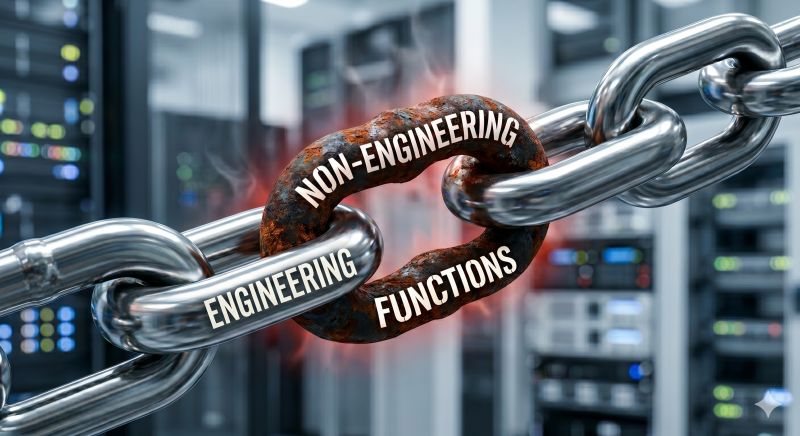
AI-fueled engineering output is up 14x. The functions responsible for turning that into revenue haven’t kept pace. That gap is your growth limiter.
Source: Source
GitHub’s COO Kyle Daigle disclosed that the platform now sees 275 million commits per week — on pace for 14 billion in 2026, up from 1 billion in all of 2025. GitHub Actions compute has doubled in two years.
The New York Times reports a financial services firm that went from 25,000 to 250,000 lines of code per month after deploying Cursor, and immediately faced a million-line review backlog. Joe Sullivan, adviser to Costanoa Ventures, says his large-company clients need 5–10 additional application security engineers they cannot find.
Engineering output has exploded. Everything downstream is straining to keep up.
BCG’s 2025 study of 1,250 firms found that 70% of AI’s total value potential is concentrated in core business functions: sales, marketing, R&D, pricing, supply chain. Customer-centric and IT workflows account for more than 50% of perceived AI benefits. Yet only 5% of companies are extracting value at scale.
The go-to-market gap is equally stark. McKinsey surveyed 500 European marketing leaders and found only 6% rate their gen AI maturity as high — those leaders report 22% efficiency gains. The other 94% haven’t advanced meaningfully. Gen AI ranks 17th out of 20 marketing priorities on average.
AI will only fuel growth at the speed of your slowest function, not your fastest.
Three moves for executives:
- Measure AI maturity by function. Engineering velocity without marketing, sales, and support readiness is incomplete.
- Fund adoption in revenue teams at engineering intensity. Workflow redesign, upskilling, and tooling need equal investment.
- Shift the operating model. Every function needs the same mindset shift engineers have already made — from “doing” to “designing, reviewing, and orchestrating.”
BCG finds the 5% “future-built” companies with rebuilt workflows are generating 1.7x revenue growth and 3.6x total shareholder return versus their peers.